How Modern Drain Solutions Can Improve Household Plumbing Performance
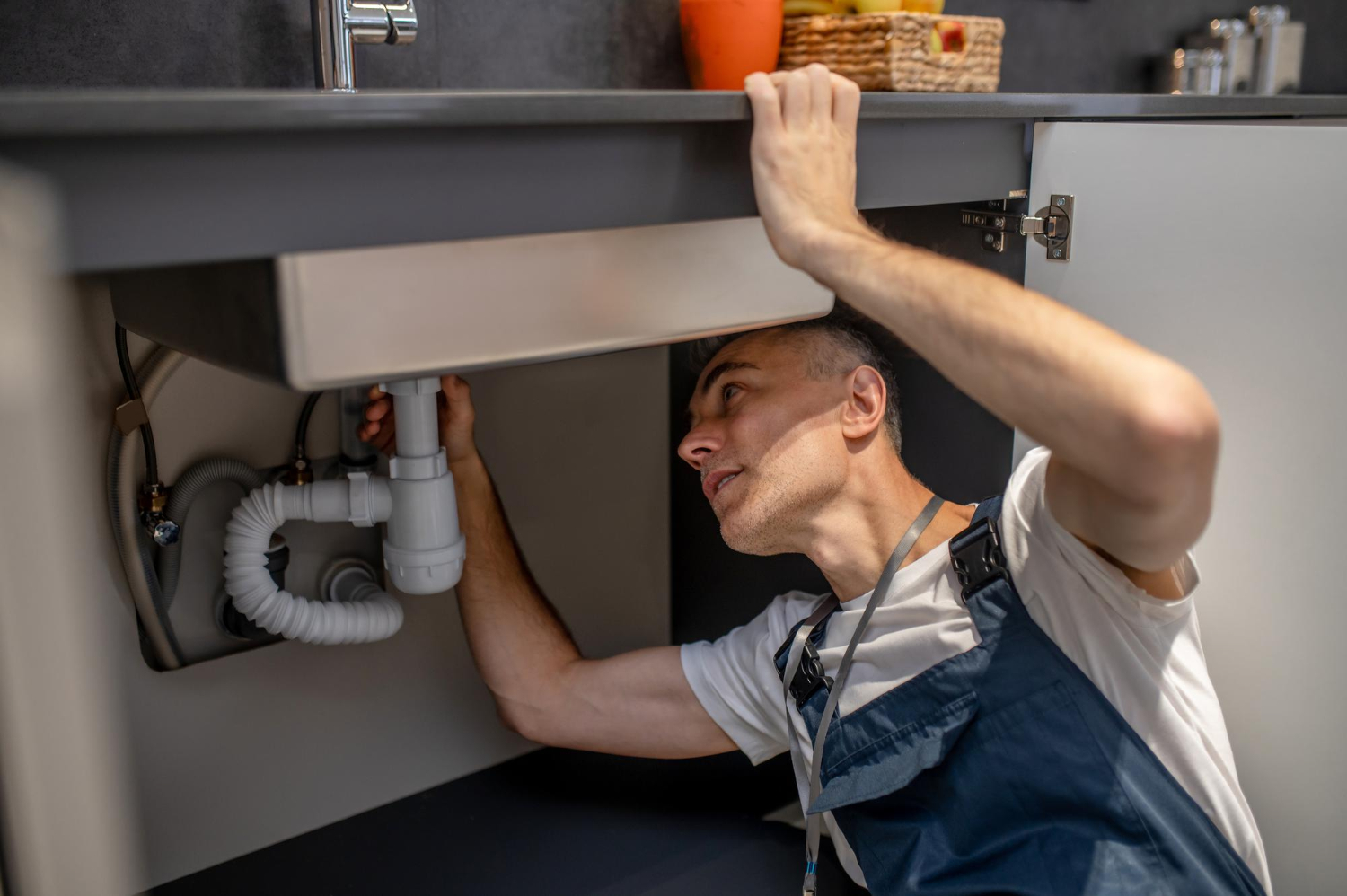
Modern household plumbing depends on more than pipes carrying water from one place to another. Drainage systems must move wastewater efficiently while limiting odors, blockages, backups, and damage. Modern drain solutions offer practical ways to improve performance without always requiring a complete plumbing replacement. Greenville SC Plumbing Services can provide professional guidance when drainage problems persist or become difficult to diagnose. Understanding how these solutions work can help homeowners protect their plumbing, reduce disruptions, and maintain a more dependable drainage system. It also helps them recognize when a routine cleaning is enough and when professional attention may be needed.
Improving Drain Flow
Efficient drainage begins with steady water movement. Modern drain components can be designed to support smoother flow and reduce areas where debris is likely to collect. Properly sized pipes and correctly installed fittings help wastewater move toward the main drainage line. Drain covers and strainers can also prevent larger particles from entering pipes. In kitchens, these simple components can limit food debris. In bathrooms, they can catch hair before it travels farther into the system. Good flow does not depend on a single component. Pipe condition, slope, connections, and household usage all influence how well a drainage system performs.
Detecting Hidden Problems
Drain problems are not always visible. A pipe can develop cracks, buildup, root intrusion, or other issues beneath floors or behind walls. Modern inspection equipment can make these problems easier to identify. Drain cameras, for example, allow plumbing professionals to examine the inside of pipes without immediately opening large sections of a property. Early inspection can help locate the source of recurring blockages or slow drainage. Knowing where a problem exists can reduce unnecessary disruption and help professionals select a suitable solution.
Removing Persistent Blockages
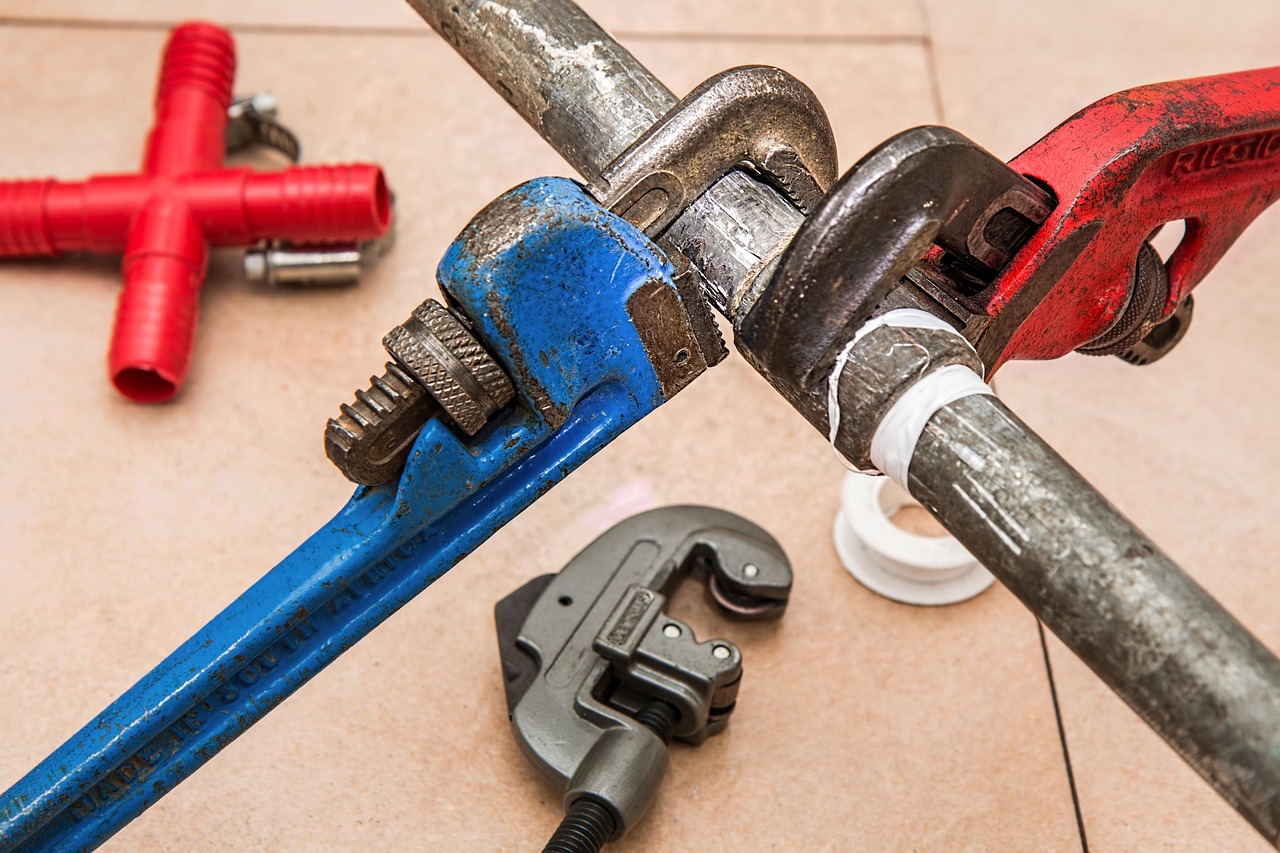
Traditional plunging can solve some minor blockages, but recurring or stubborn obstructions may require more advanced cleaning methods. Modern drain cleaning equipment can provide stronger and more targeted results. Professional plumbers may use specialized augers or water jetting equipment, depending on the condition and material of the pipe. These methods can remove accumulated grease, mineral deposits, organic debris, and other buildup. The correct method depends on the plumbing system. Excessive pressure or unsuitable equipment can damage vulnerable pipes. Professional assessment is therefore important when a blockage does not respond to basic methods.
Reducing Future Buildup
Modern drain solutions can also focus on prevention. Regular cleaning can reduce the amount of material entering household drains. Kitchen sinks should not be treated as disposal points for large amounts of grease, oil, coffee grounds, or food scraps. Bathroom drains can benefit from hair-catching strainers and routine cleaning. Preventive maintenance is often less disruptive than waiting for a complete blockage. Professionals can also identify conditions that may contribute to repeated problems, such as poor flow, damaged sections, or excessive buildup.
Protecting Household Plumbing
Drain performance affects more than convenience. A blocked or damaged drain can lead to standing water, unpleasant odors, wastewater backups, and moisture damage. Upgrading damaged sections, replacing unsuitable fittings, or improving access points may make future maintenance easier. Homeowners should also pay attention to warning signs. Slow drainage, gurgling sounds, recurring odors, or water backing up in multiple fixtures can indicate a larger issue. Addressing these signs early may prevent more extensive repairs.
Maintaining Long-Term Performance
Modern drain technology works best when combined with regular care. Homeowners should avoid placing unsuitable materials down drains and should respond promptly when drainage changes. Professional inspections can be useful for older properties or homes with recurring problems. A plumber can assess pipe condition, identify potential restrictions, and recommend repairs or upgrades based on the system’s needs. Not every household requires the newest equipment.
The right solution depends on the age, condition, layout, and usage of the plumbing system. Local water conditions can also significantly influence buildup and maintenance needs over time. Modern drain solutions can improve household plumbing performance by supporting better flow, identifying hidden problems, removing stubborn buildup, and reducing the chance of recurring blockages. They can also make maintenance more targeted and repairs less disruptive.
Conclusion
Technology is useful, but proper installation and sensible household habits remain just as important. Preventive measures help keep the system working properly. Homeowners can protect drainage performance by watching for early warning signs and addressing problems before they become emergencies. Simple habits, regular maintenance, and appropriate professional support can extend the useful life of a plumbing system. A reliable drainage system is easy to overlook when everything works as expected. Modern solutions provide practical tools for keeping it that way. By combining improved components, inspection methods, cleaning equipment, and preventive care, households can maintain smoother drainage and reduce avoidable plumbing disruptions.